
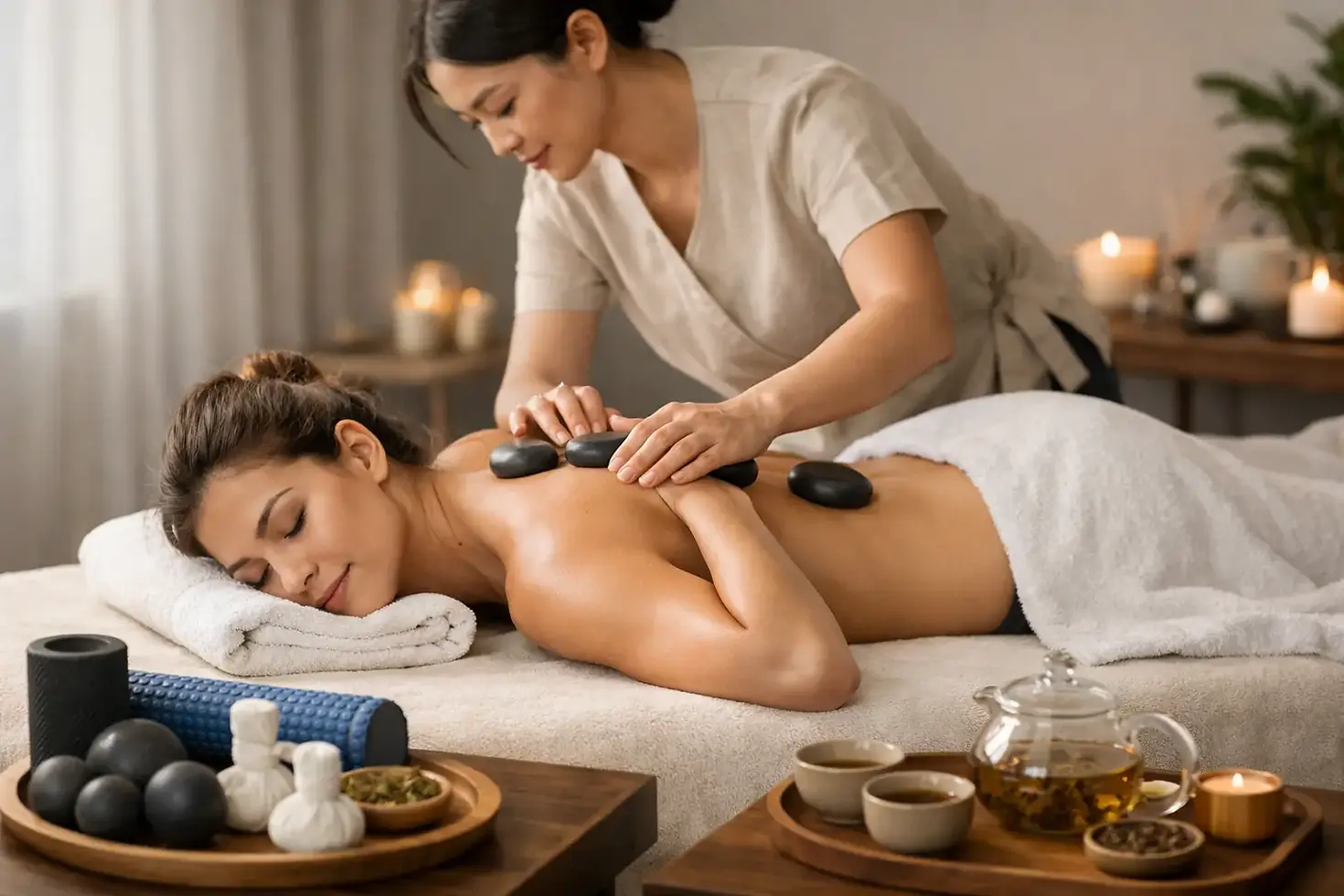
Spa Treatments for Muscle Soreness That Work
- eduardo02229
- hace 13 minutos
- 5 min de lectura
A long flight into Cancun, a full day exploring Fifth Avenue, an ambitious beach workout, or one too many rounds of golf can leave the body feeling heavier than it should. The right spa treatments for muscle soreness offer more than a pleasant escape from the heat: they can help ease tightness, encourage circulation, and give tired muscles the quiet conditions they need to recover.
At a professional spa, the goal is not to force discomfort out of the body. It is to match the treatment to what your muscles are asking for that day. Sometimes that means focused pressure for deep tension. Other times, a slower, warmer, more restorative session is the wiser choice.
Why Muscles Feel Sore After Travel, Activity, or Stress
Muscle soreness is not limited to athletes. Vacation often changes the way we move. You may walk farther than usual, carry luggage, sit for hours in a plane or car, sleep in a different position, or spend an afternoon swimming against the current. Even a busy work schedule can create persistent tension through the shoulders, neck, lower back, and hips.
There are two common patterns. One is immediate tightness, often caused by prolonged sitting, repetitive movement, or stress-related muscle guarding. The other is delayed soreness that arrives a day or two after unfamiliar exercise, such as a long bike ride or a high-intensity fitness class. Both can feel uncomfortable, but they do not always call for the same treatment.
Massage and spa therapies can support relaxation, mobility, and a sense of relief. They are not a substitute for medical care when pain is severe, sudden, or connected to an injury. If you have swelling, bruising, numbness, weakness, fever, or pain that worsens rather than improves, seek medical guidance before booking bodywork.
The Best Spa Treatments for Muscle Soreness
Deep Relax Therapy for Persistent Tension
For muscles that feel dense, restricted, or chronically tight, a Deep Relax-style session can be an excellent choice. This approach uses slower, more intentional pressure to address areas where tension has settled, commonly the back, shoulders, glutes, legs, and feet. It is especially appealing after travel, strenuous activity, or weeks of desk posture that have left the body feeling compressed.
Effective deep work should feel purposeful, not punishing. A skilled therapist adjusts pressure according to your breathing, sensitivity, and goals. You may notice mild tenderness in particularly tight areas, but sharp pain, involuntary bracing, or the urge to hold your breath are signs to request a lighter approach. More pressure is not automatically better pressure.
This treatment works best when you have time to hydrate and take the rest of the day gently. If you are heading directly into a demanding excursion, intense training, or a night of dancing, a relaxing massage may serve you better.
Relaxing Massage for Overall Fatigue
Not every sore body needs intensive work. When fatigue is spread across the whole body and your nervous system feels overstimulated, a relaxing massage can be the more restorative choice. Gentle to moderate pressure, calm pacing, and a comfortable treatment environment encourage the muscles to soften without leaving you feeling worked over.
This is often the right option for travelers recovering from a flight, guests who have had a full itinerary, or anyone whose discomfort is closely tied to stress. The experience supports a shift out of the rushed, alert state that keeps shoulders elevated and jaws clenched. Many guests find that once the nervous system settles, much of their perceived tightness eases naturally.
A relaxing massage is also a smart starting point if you are new to massage or unsure how your body will respond. You can always choose more focused therapeutic work during a future visit.
Four Hands Massage for Complete Release
When physical fatigue and mental overload arrive together, a four hands massage creates a distinct kind of immersion. Two professional therapists work in coordinated rhythm, offering a full-body experience that can make it easier to stop anticipating each movement and simply rest.
This is not necessarily the treatment for a single, highly specific injury-like complaint. It is ideal for the guest who feels depleted from head to toe and wants deep relaxation in a luxurious setting. The synchronized touch can be particularly welcome after long travel days, a demanding event, or several days of active sightseeing in Playa del Carmen.
Because the experience is so enveloping, communicate your pressure preference before the session begins. A lighter, flowing four hands treatment may be just right for general soreness, while those seeking targeted muscle work may benefit more from a focused Deep Relax session.
Heat and Warmth for Stiff Muscles
Warmth is one of the simplest comforts for muscles that feel stiff rather than acutely inflamed. A warm treatment cabin, heated elements when available, or a warm shower before your massage can help the body feel more receptive to touch. Heat tends to feel especially soothing for lingering neck, shoulder, and lower-back tension.
Timing matters. If you have a fresh strain, visible swelling, or an area that feels hot and sharply painful, heat may not be appropriate. In those cases, avoid aggressive massage and consult a qualified medical professional. For ordinary post-travel stiffness or exercise-related tightness without swelling, warmth can make a massage feel more comfortable and effective.
How to Choose the Right Treatment for Your Body
Start with a simple question: do you feel tight in one or two areas, or worn down everywhere? Localized knots in the upper back, hips, calves, or hamstrings may respond well to a therapeutic session with specific attention to those regions. Whole-body fatigue, restless sleep, and a feeling of being mentally switched on often point toward a relaxing massage.
Consider timing, too. If your muscles are sore after an unusually demanding workout, a moderate treatment within the next day or two may feel better than an aggressive session. If you have been carrying the same tension for months, focused work can be helpful, but it may take more than one appointment to create lasting change. A single massage can bring meaningful relief, yet it is not expected to erase every pattern built over years.
Be honest about your preferences and your health history. Tell your therapist about recent injuries, surgeries, pregnancy, medication that affects bruising, varicose veins, chronic conditions, and areas you do not want touched. Clear communication is part of premium care, not an inconvenience.
Make Your Massage More Effective
A beautiful treatment is even more satisfying when you arrive prepared. Drink water throughout the day, but do not feel you need to overdo it immediately before your appointment. Wear comfortable clothing, avoid a heavy meal just beforehand, and give yourself a few unhurried minutes to arrive rather than rushing into the cabin with your shoulders already tense.
During the session, speak up early if pressure feels too light, too intense, or too focused on a sensitive area. Your therapist can adapt the pace and technique. The most effective massage is collaborative: your feedback helps shape an experience that feels both safe and deeply restorative.
Afterward, keep your plans gentle if possible. A short walk, a nourishing meal, water, and an early night can extend the feeling of relief. Light movement is usually more helpful than staying completely still, but postpone demanding exercise if your muscles feel tender after focused bodywork.
When Soreness Needs More Than a Spa Visit
Massage can be a valuable part of recovery, but it has limits. Do not book a deep-pressure treatment for an unexplained injury, severe pain, suspected fracture, active skin infection, blood clot concerns, or significant swelling. The same care applies to pain accompanied by chest discomfort, shortness of breath, dizziness, or sudden weakness.
For ordinary tension and activity-related fatigue, professional bodywork can be a welcome reset. At Wellness Center Playa del Carmen, treatments are delivered in climatized cabins by professional therapists who can help you choose an experience aligned with how your body feels, whether you want targeted relief or a quieter form of restoration.
Your body does not need to earn rest by reaching its breaking point. Choose the pressure, pace, and treatment that feel right for this moment, then give yourself permission to leave the cabin lighter, calmer, and ready to enjoy what comes next.


Comentarios